Phone-Related Headaches and Chiropractic Care

Chronic headaches can interfere with concentration, sleep, and other daily activities. Prolonged mobile-phone use has been linked with headache symptoms in some people. Phone-related headaches can have a mild, dull, or pressing feeling. Pain can develop on the same side of the head where a phone is held for extended periods. of time. Some people also experience burning sensations or dizziness. Longer periods of phone use can increase the chance of headache symptoms. Frequent screen use can also encourage positions that place added stress on the neck and upper back.

The exact connection between mobile-phone use and headaches is not fully understood. Several factors can contribute to discomfort when a person spends long periods of time using a phone. Neck position, muscle tension, and prolonged screen viewing can place strain on the body. Looking down at a screen can keep the head in a forward position and increase stress on the neck. This position can affect muscles and joints that support the head. Restricted neck movement or muscle tightness can also contribute to certain headaches. A chiropractor can evaluate posture, neck movement, and muscle tension to identify problems connected with discomfort.

Chiropractic care can focus on improving neck movement and reducing strain around joints and muscles. Gentle adjustments can address areas of restricted movement in the neck and upper back. Soft-tissue techniques can target tight muscles. Guided exercises can support better movement and strength. A chiropractor can also evaluate how a patient holds or views a phone during extended use. Care is based on headache patterns, movement problems, and the patient's response to treatment. Because chronic headaches can have different causes, a careful chiropractic evaluation can help determine an appropriate approach to care. If you have chronic headaches, it is suggested that you schedule an appointment with a chiropractor for effective relief and management solutions.

Chronic Headaches

Chronic headaches can disrupt daily life, but chiropractic care offers an effective, holistic approach to managing and relieving headache symptoms. Chiropractors assess spinal alignment, posture, and muscle tension, which often play a role in chronic headaches. By addressing these factors, chiropractic care aims to reduce headache frequency and intensity.

A Chiropractor’s Approach

A chiropractor’s approach typically includes spinal adjustments, which help alleviate tension in the neck and upper back that may contribute to headaches. Chiropractic care may also incorporate lifestyle advice, including guidance on ergonomics, stress management, and targeted exercises tailored to reduce headache triggers. Regular adjustments provide a preventive approach, supporting overall spinal health and minimizing factors that can cause or worsen headaches.

Why Is Regular Chiropractic Care Important for Headache Relief?

Ongoing chiropractic care can relieve tension and prevent misalignments, both of which are common headache triggers, allowing patients to achieve long-term relief.

When Should You Consider Chiropractic Care?

Patients with frequent headaches should consider regular chiropractic visits, often recommended every few months or as advised, to support effective headache management.

If you have any questions, please feel free to contact our office located in Corona, CA

Read more about Chronic Headaches

Chiropractic Care for Foot Pain Relief

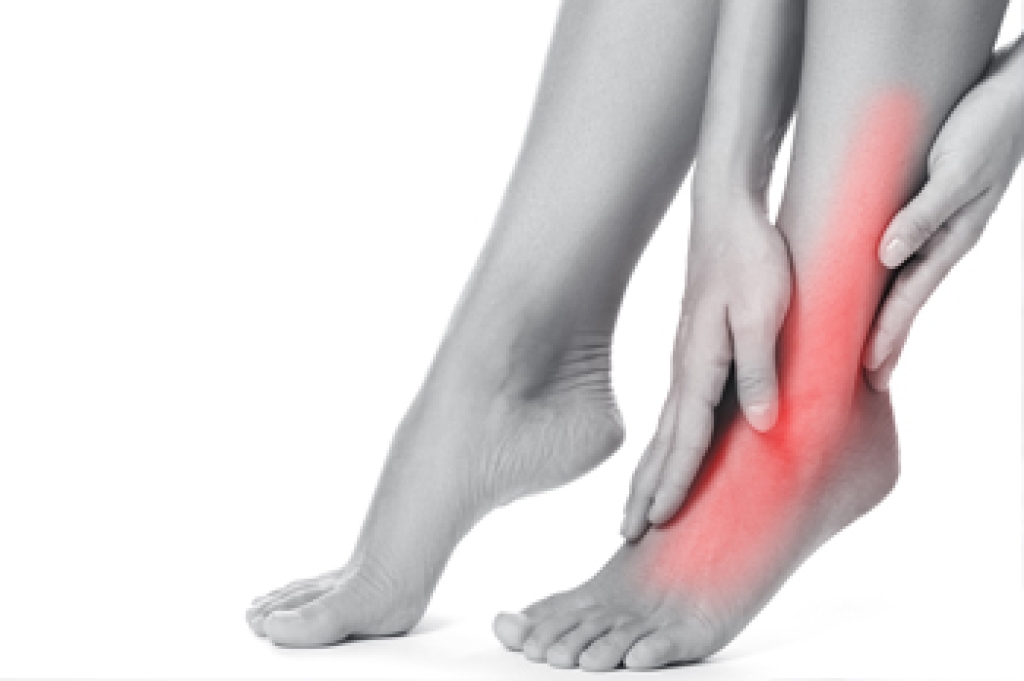
Foot pain can affect balance, limit mobility, and make daily activities more difficult. The feet contain many bones, ligaments, and tendons that work together to support body weight and absorb the force created with every step. Tendons are strong bands of tissue that connect muscles to bones, while ligaments connect bones to each other. Pain can begin suddenly after an injury or develop gradually because of repeated stress on the feet. Some patients notice discomfort while walking, especially after getting out of bed in the morning. Others experience stiffness, tenderness, or pain that improves after moving for a short time. A chiropractor can evaluate the feet, ankles, and the way the body moves to identify the source of the discomfort.

Several conditions can contribute to foot pain. Plantar fasciitis affects a thick band of tissue along the bottom of the foot and frequently causes heel pain with the first steps of the day. Arthritis can reduce joint movement and make standing or walking uncomfortable. Tendon injuries can also interfere with normal foot function. Shoes that lack proper support can place extra stress on the feet and affect the way people move. Problems involving the ankles, hips, or lower back can also change walking patterns and increase pressure on the feet. A chiropractor performs a detailed examination to determine how these factors contribute to the patient's symptoms.

Treatment depends on the condition causing the pain and how much it affects daily life. A chiropractor can use gentle joint adjustments to improve movement in the feet, ankles, and nearby joints. Soft tissue therapy helps reduce muscle tension and improve flexibility. Patients also benefit from personalized exercises that strengthen supporting muscles and encourage healthier movement patterns. When another condition requires specialized care, a chiropractor can coordinate treatment with other healthcare providers for additional evaluation. Early treatment can improve comfort, restore mobility, and help patients return to normal activities with greater confidence. If you have symptoms of foot pain, it is suggested that you make an appointment with a chiropractor for diagnosis and treatment.

Foot pain is a common problem that can stem from various causes, such as overuse, injury, or conditions like plantar fasciitis and flat feet. It may present as sharp, aching, or throbbing sensations, often making daily activities like walking or standing uncomfortable. Poor alignment of the foot and ankle can lead to additional strain on surrounding muscles and joints, worsening the problem. Left untreated, foot pain can interfere with mobility and overall quality of life.
Chiropractors take a holistic approach to addressing foot pain. By assessing posture, gait, and foot structure, they can identify underlying imbalances contributing to discomfort. Treatment often includes gentle joint adjustments to restore proper alignment, soft tissue therapies to ease tension, and custom exercises to strengthen the affected area. Chiropractic care aims to resolve the root causes of foot pain and improve function naturally.

1. How does foot pain relate to issues in the back or hips?
Foot pain can often be a symptom of biomechanical issues higher up the kinetic chain, such as misalignments in the hips or lower back. Chiropractors assess these connections to treat the root cause.
2. Do chiropractors treat conditions like plantar fasciitis differently from podiatrists?
Chiropractors focus on whole-body alignment, addressing how foot pain may stem from or contribute to imbalances in the spine or posture, complementing podiatric approaches.
3. Can chiropractic care improve my walking or running gait?
Yes, by correcting misalignments and improving joint function, chiropractic care can enhance gait mechanics, reducing strain and preventing future foot pain.
If you have any questions please feel free to contact our office located in Corona, CA
 

Read more about Foot Pain

Relief for Disc Pain

Degenerative disc disease can cause back and neck pain. It develops when the spinal discs lose flexibility and cushioning, often due to aging, repetitive stress, or injury. This can lead to stiffness, discomfort, or radiating pain that affects daily activities. Non-invasive and drug-free care can help manage symptoms and improve mobility.

Contact us today for effective treatment of degenerative disc disease.

Understanding Shoulder Pain From a Rotator Cuff Tear

Shoulder pain can make lifting, reaching, and other daily movements difficult. One possible cause is a rotator cuff tear. The rotator cuff is a group of four muscles and their tendons that help hold the upper arm in the shoulder joint and allow the arm to lift and rotate. A tear happens when one of these tendons becomes partly or completely separated from the bone. Tears can develop from a sudden injury, like a fall onto an outstretched arm or lifting something with a forceful motion. They can also develop from repeated shoulder movements and age-related changes. Pain can occur when lifting or lowering the arm, while weakness can make normal activities more difficult.

Symptoms can vary based on the type and severity of the tear. Some patients have shoulder pain at rest or at night, especially when lying on the affected shoulder. Others notice pain when reaching overhead or moving the arm in certain directions. A sudden tear can cause intense pain, a snapping feeling, and immediate weakness. A chiropractor can assess shoulder movement, posture, muscle function, and joint mobility when evaluating symptoms. Chiropractic care can include gentle mobility techniques, soft-tissue techniques, and exercises designed to support shoulder movement and strength. A chiropractor can also assess the neck and upper back when appropriate because pain in these areas can sometimes affect shoulder function.

Persistent shoulder pain and weakness should receive careful evaluation. Some rotator cuff tears cause few or no symptoms, while others can interfere with dressing, reaching, or other routine activities. The type of tear, activity level, and overall health can influence the approach to care. Chiropractic treatment can focus on supporting movement and function while avoiding techniques that could place unnecessary stress on an injured shoulder. A patient with significant weakness, severe pain after an injury, or a sudden loss of shoulder function should receive prompt attention. If you have symptoms of shoulder pain or a rotator cuff tear, it is suggested that you make an appointment with a chiropractor for diagnosis and treatment.

Shoulder and arm pain can significantly affect daily life, making simple tasks challenging. This pain often arises from issues such as rotator cuff injuries, tendonitis, nerve compression, or even misalignments in the spine or shoulders. Symptoms can range from a dull ache and stiffness to sharp, shooting pain that radiates down the arm, limiting mobility and impacting overall comfort.

Chiropractic care offers a non-invasive approach to managing shoulder and arm pain by focusing on the musculoskeletal system. Chiropractors assess the shoulder, neck, and spine alignment to identify potential sources of nerve compression or joint dysfunction. Gentle adjustments aim to restore proper alignment in the affected areas, which can relieve nerve pressure, reduce inflammation, and encourage natural healing.

In addition to adjustments, chiropractors may recommend exercises to strengthen the surrounding muscles and improve flexibility. Stretching routines can help relieve tension, while strengthening exercises provide better support to the shoulder and arm, preventing further strain.
By addressing the root causes of discomfort, chiropractic care provides a holistic approach to managing shoulder and arm pain. This method promotes long-term relief by restoring alignment, enhancing function, and encouraging a more active, pain-free lifestyle without relying on medication or surgery.
1.  How does chiropractic care help with frozen shoulder?
Chiropractors use gentle mobilization and targeted adjustments to improve joint flexibility. Soft tissue therapies can also reduce inflammation and improve function.
2.  Is shoulder pain always caused by a shoulder issue?
No, shoulder pain can originate from the neck or upper back due to nerve compression or referred pain. Chiropractors assess the entire musculoskeletal system to find the root cause.
3.  Are chiropractic adjustments safe for shoulder pain caused by arthritis?
Yes, chiropractors use gentle, non-invasive techniques tailored to reduce arthritis-related pain and improve joint mobility.
If you have any questions please feel free to contact our office located in Corona, CA
 

Read more about Shoulder and Arm Pain

Understanding Muscle Tightness and Involuntary Contractions

Muscle spasms are involuntary contractions that occur when muscle fibers tighten without conscious control. These episodes may be triggered by physical strain, fatigue, or nerve irritation that disrupts normal muscle signaling. Muscle cramps are a common type of spasm marked by sudden intense tightening that often improves with rest or gentle stretching. Contractures are different and involve a prolonged shortening of muscle or connective tissue that restricts movement and may become permanent if not addressed. Recognizing these distinctions helps guide accurate diagnosis and effective care. Common symptoms include localized pain stiffness and a firm or knotted feeling in the affected area. Cramps typically cause sharp discomfort that eases after the muscle relaxes, while contractures lead to persistent tightness and limited range of motion. Some individuals notice weakness, soreness or fatigue after repeated episodes which can reduce performance and daily function.

Risk factors include dehydration, electrolyte imbalance, poor conditioning, and repetitive strain on specific muscle groups. Sedentary habits, poor posture, and sudden increases in activity add stress to soft tissues. Nerve-related conditions, circulation issues, and aging can increase susceptibility by reducing muscle elasticity and recovery capacity.

Management focuses on hydration, balanced nutrition, and consistent stretching to maintain flexibility. Strengthening exercises support muscle stability and reduce recurrence. Attention to posture and body mechanics helps limit strain during daily tasks. Early evaluation supports recovery and prevents long term complications. Additional strategies include gradual warm-up routines, adequate rest between activities, and wearing proper footwear when engaging in exercise. Maintaining a consistent activity level helps prevent sudden overload on muscles and supports long-term tissue health and resilience. Regular checkups and early attention to warning signs can reduce the risk of recurrence and injury. If you have frequent muscle spasms, it is suggested that you consult a chiropractor for effective relief and management solutions.

Muscle Spasms

Muscle spasms, or involuntary muscle contractions, can cause sudden pain and tightness, often disrupting daily activities and causing significant discomfort. Spasms are typically triggered by muscle strain, dehydration, poor circulation, or nerve irritation and can occur in any muscle, although they are most common in the neck, back, and legs.

Chiropractic care for muscle spasms aims to relieve muscle tension, improve circulation, and restore the body’s natural balance. By performing gentle adjustments to the spine or other affected areas, chiropractors work to realign the body and reduce nerve interference that may be contributing to the spasms. This approach can help relieve the pressure on muscles, encouraging them to relax and reducing the frequency and intensity of future spasms.

In addition to adjustments, chiropractic care may include stretching exercises, massage, and lifestyle recommendations to prevent recurrence. These exercises are designed to strengthen and support the muscles, improving flexibility and reducing muscle strain.

Chiropractic care offers a holistic, drug-free approach to managing muscle spasms, emphasizing long-term relief and muscle health. By addressing both the immediate symptoms and underlying causes, chiropractic treatment helps people find lasting relief, promoting muscle relaxation and supporting overall well-being.

Will the treatment cause additional pain or discomfort?

 Patients sometimes worry that chiropractic adjustments or muscle manipulation will aggravate their spasms. Chiropractors emphasize that treatments are generally gentle and designed to alleviate discomfort without causing additional pain.


Will I feel immediate relief after each adjustment, or does it build over time?

While some patients feel immediate relief after a session, long-term improvement usually develops gradually with consistent treatment. Muscle tension and spasms often respond best to cumulative care over several sessions.

If you have any questions please feel free to contact our office located in Corona, CA

Read more about Muscle Spasms
scroll to top